
Dental Bone Grafting
Dental bone grafting helps rebuild and strengthen the jawbone lost to gum disease, injury, or tooth loss. By creating a solid foundation for dental implants and supporting nearby teeth, it improves stability, comfort, and long-term oral health—helping you smile with confidence again.
Dental Bone Grafting in Missoula, MT
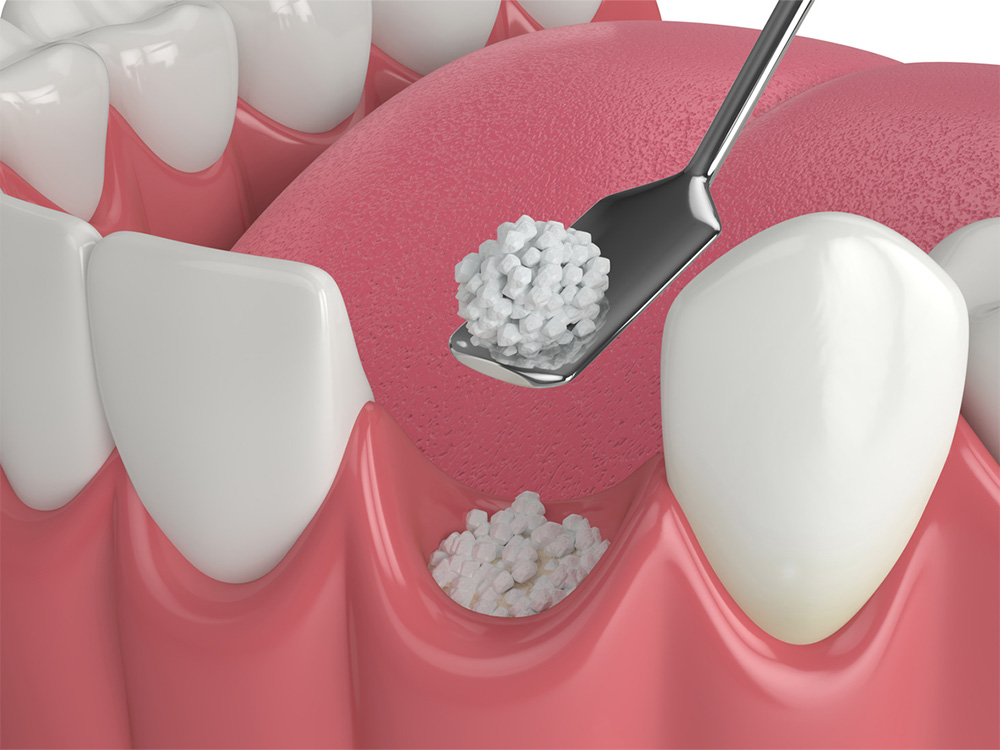
Dental bone grafting is a common procedure that helps restore or preserve jawbone structure. It is often recommended when bone loss has occurred due to missing teeth, gum disease, or injury. During the procedure, a dentist or oral surgeon places specialized grafting material in the area needing support. Over time, your body naturally integrates this material, stimulating new bone growth.
Bone grafting creates a strong, stable foundation for dental implants and helps maintain facial shape and oral health. With modern techniques, the procedure is safe, predictable, and designed with patient comfort in mind for long-term function and confident, healthy smiles.
-
What is the process of a dental bone graft?
- Initial consultation: Your dentist evaluates your oral health, reviews X-rays, and explains why a bone graft may be recommended.
- Personalized planning: We select the most appropriate graft material and create a treatment plan tailored to you.
- Comfortable procedure: The graft is carefully placed under local anesthesia to ensure a smooth, gentle experience.
- Healing and integration: Over several months, the graft naturally fuses with your existing bone.
- Follow-up care: We monitor healing and provide guidance to support recovery.
- Next steps: Once healed, your jaw is ready for implants or other restorative treatments.
-
Are dental bone grafts painful?
A dental bone graft is a common procedure, and most patients are pleasantly surprised by how manageable it feels. During the procedure, local anesthesia is used to keep you comfortable, so you shouldn’t feel pain while the graft is placed. Afterward, it’s normal to experience mild soreness or swelling, similar to what you might feel after a tooth extraction. This discomfort is usually temporary and can be well controlled with prescribed or over-the-counter pain medication. Our team is always here to ensure your comfort and support throughout your healing process.
-
How long does it take to recover from a dental bone graft?
Recovery from a dental bone graft occurs in stages, and timing can vary depending on your health and the size of the graft. Most patients feel noticeably better within a few days to a week, with mild soreness and swelling easing during that time. The graft itself needs longer to heal and integrate with your natural bone fully—often about 3 to 6 months, and sometimes longer for larger grafts. We’ll monitor your progress with follow-up visits and guide you on comfort, nutrition, and care.
More Questions on Dental Bone Grafting?
To learn more about the benefits of dental bone grafting, or if you would like to schedule an appointment, reach out to our team today!